Comprehensive Eye Exams and Glasses Prescriptions in Boise, ID: What to Look for in an Eye Doctor
Many patients in the Treasure Valley leave an eye appointment with glasses that blur, cause headaches, or just feel off — and the root cause is usually an incomplete or rushed exam. A thorough refraction depends on identifying dry eye, muscle imbalance, or corneal irregularities first , because each of those conditions can skew your prescription if left unaddressed. Knowing what a full exam should include helps you evaluate a practice before you ever book.
What Does a Comprehensive Eye Exam Actually Include?
A comprehensive exam evaluates the entire visual system and ocular health — not just how clearly you can read a chart. That scope is what separates it from a basic vision screening, which only tests one element.
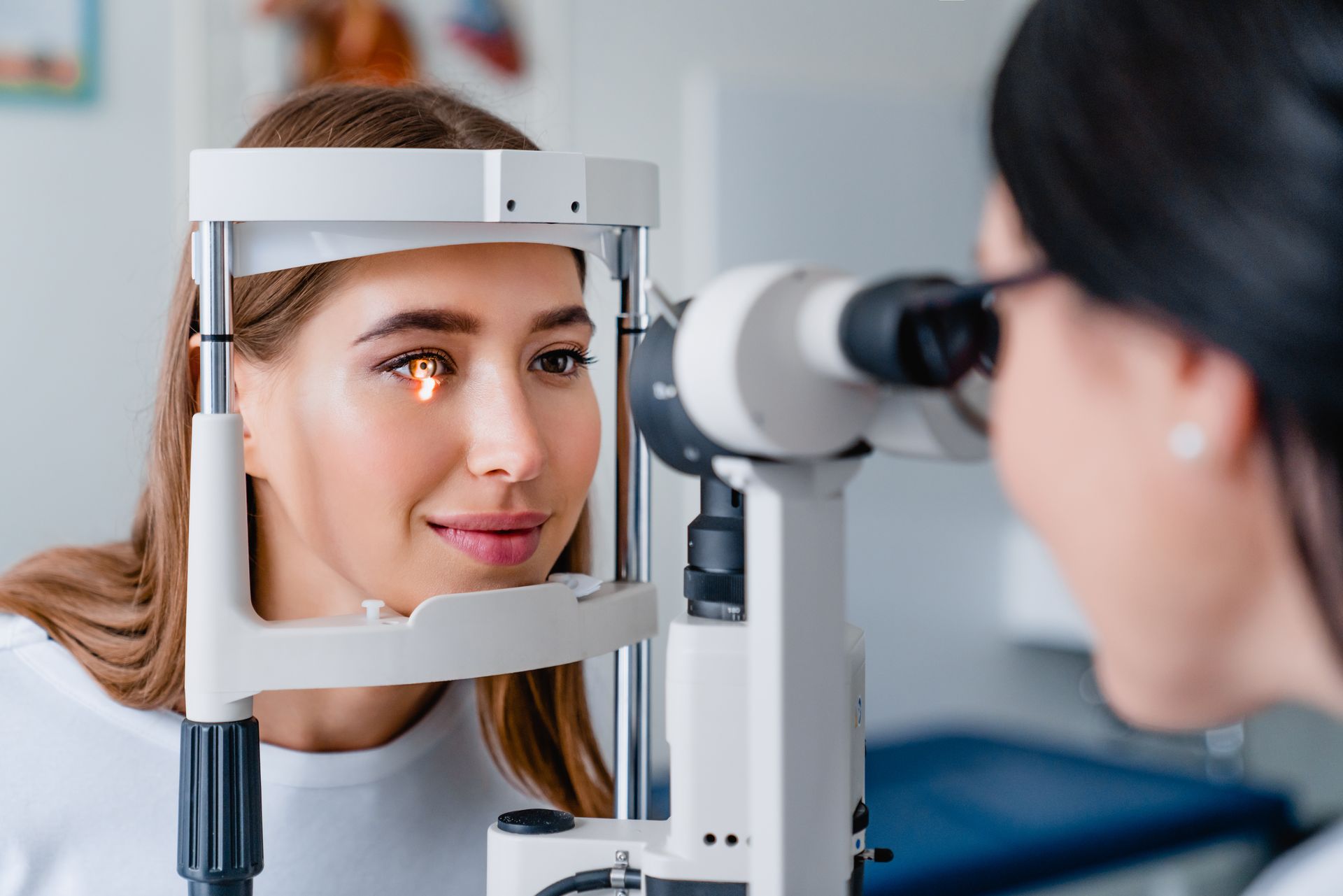
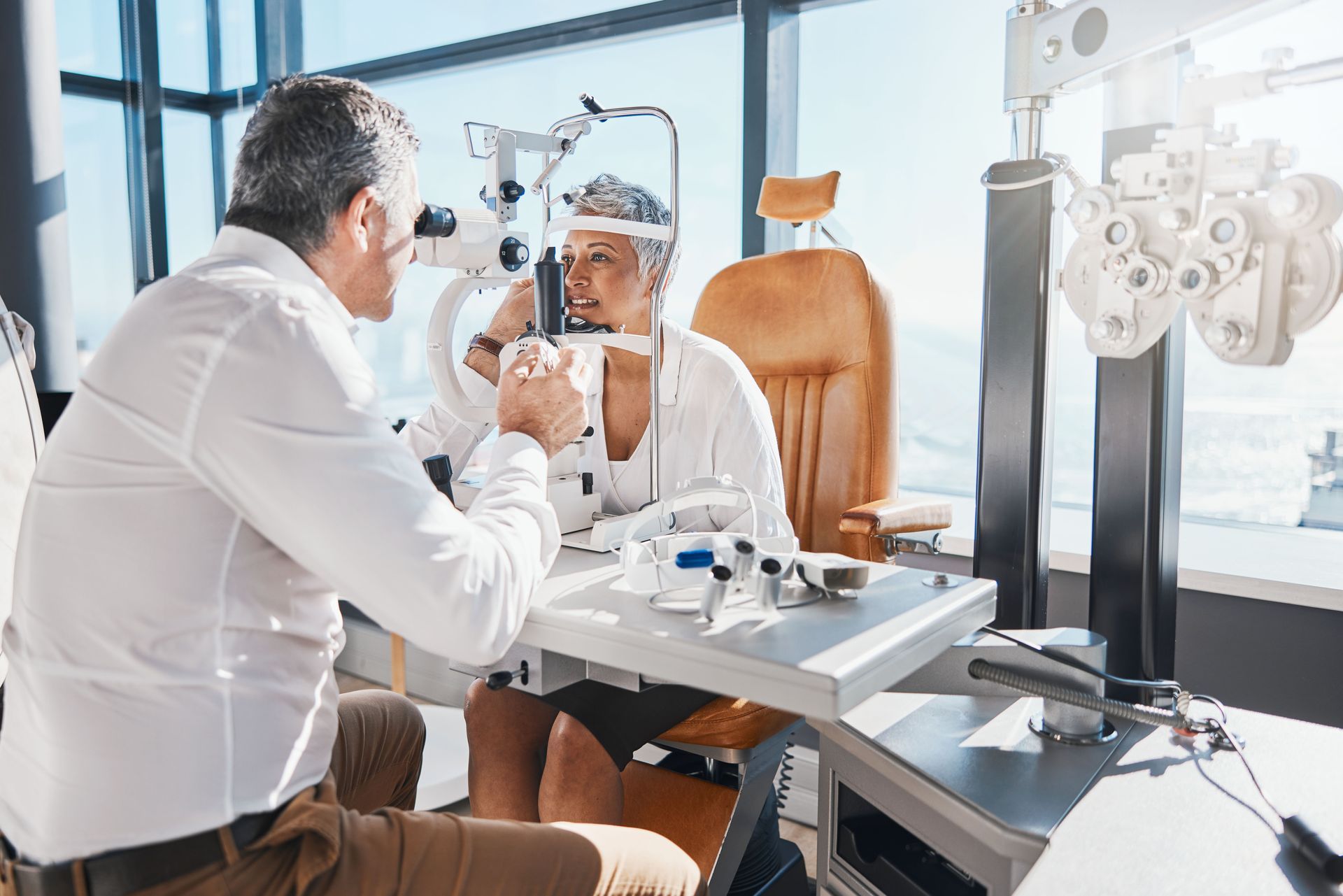
A complete exam typically covers a health intake (medications, family history of eye disease, systemic conditions like diabetes), visual acuity at distance and near, binocular vision testing for eye teaming and depth perception, pupil response as a neurological screen, and intraocular pressure measurement for glaucoma risk screening. It also includes a slit-lamp evaluation of the cornea, lens, and lids — which can catch early signs of eye infections or inflammation — plus a dilated fundus exam or retinal imaging to assess the optic nerve, macula, and retina.
If any component is skipped, the doctor is working with an incomplete picture, and that gap can quietly affect every decision made during the visit.
How Does Exam Quality Affect Prescription Accuracy?
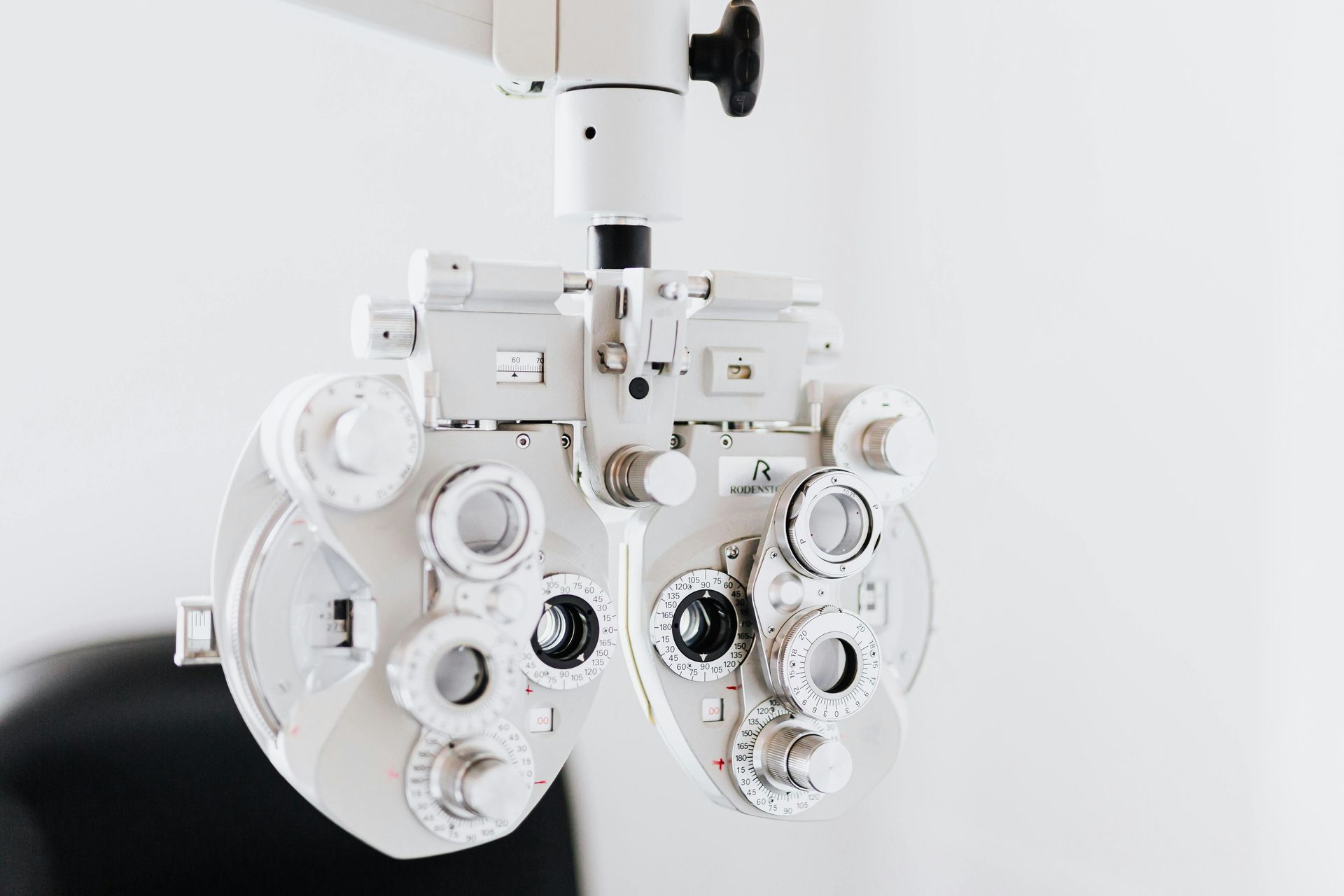
An accurate glasses prescription comes from a careful subjective refraction — the step-by-step dialogue ('which is clearer, 1 or 2?') that fine-tunes what the autorefractor starts. Skipping or rushing that dialogue produces a prescription that is technically measurable but practically uncomfortable.
Dry eye is one of the most common hidden culprits. When the tear film is unstable, the image on your retina fluctuates during testing, making your vision appear blurrier than it really is. A doctor who identifies and accounts for dry eye before finalizing your glasses prescription produces a result that actually holds up in daily use.
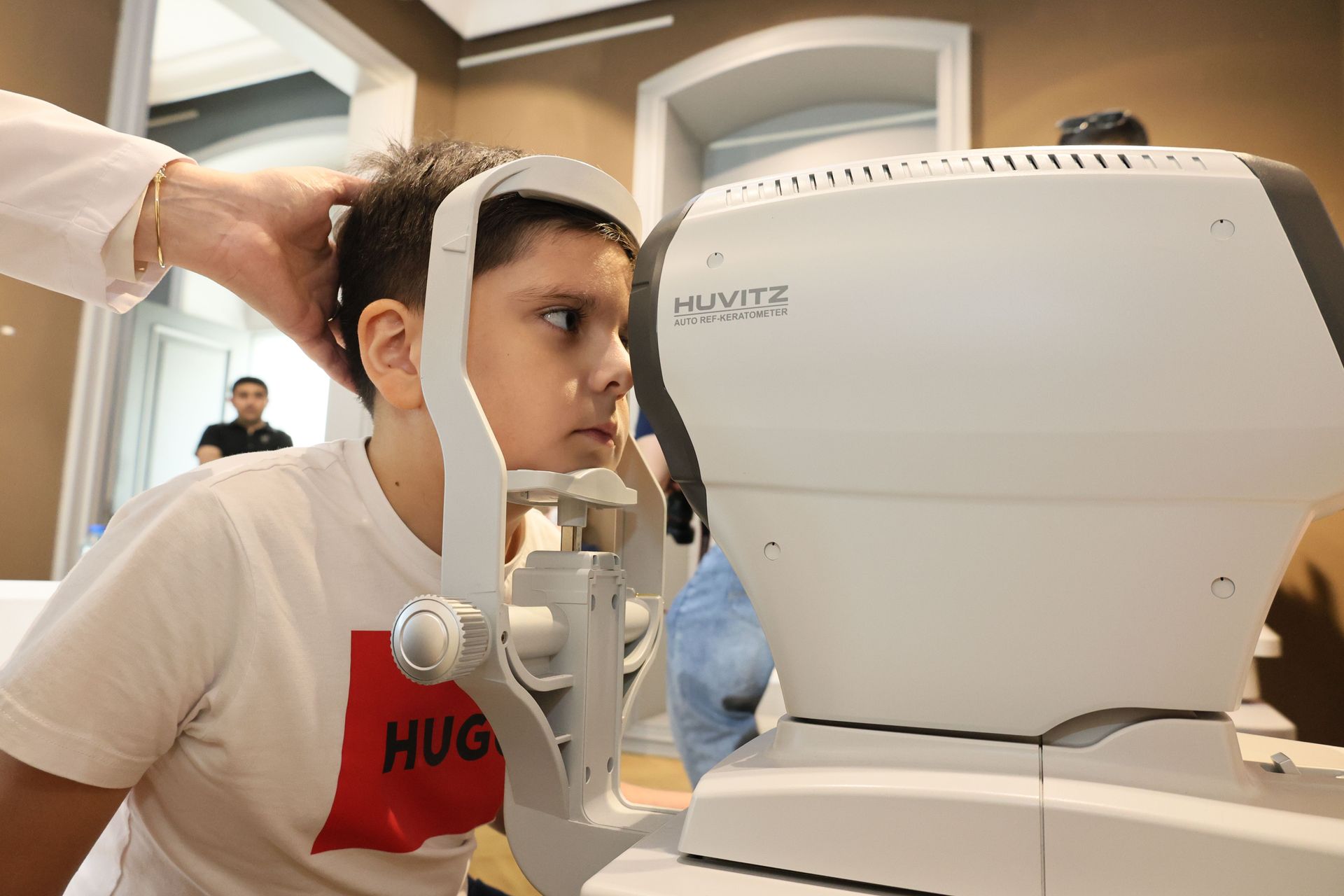
Uncorrected muscle imbalance works the same way — your eyes may compensate during the exam and mask the true refractive error. For children especially, cycloplegic refraction (using dilating drops to temporarily relax the focusing muscles) is often necessary to reveal the actual prescription, because young eyes can accommodate so strongly that they mask farsightedness entirely. When that farsightedness goes undetected, children often struggle in the classroom without anyone connecting it to their vision.
Evaluating Clinical Quality and Patient Experience Before You Book
Not every practice allocates the same time or equipment to a new patient exam. A few observable signals tell you a lot about clinical thoroughness before you arrive.
On the clinical side, look for whether dilation or retinal imaging is included as a standard step rather than an add-on. Ask whether glaucoma screening — both intraocular pressure and optic nerve evaluation — is routine. Practices with diagnostic technology like OCT (optical coherence tomography) or visual field testing can detect changes in the retina and optic nerve years before symptoms appear, which matters for long-term eye health far more than any single prescription cycle.
Also confirm whether the doctors hold therapeutic licensure, meaning they can prescribe medication and treat conditions like eye infections or handle urgent situations such as a foreign body in the eye. If a practice can manage those needs in-office, you avoid the referral gap that delays treatment. You can review what to expect as a new patient before your first visit.
On the experience side, appointment length is a reliable proxy for care quality — a new comprehensive exam that takes under 30 minutes leaves little room for the subjective refinement that makes prescriptions accurate. Communication matters too: a doctor who explains findings in plain language gives you the context to follow through on treatment or lens wear recommendations.
Timing and Seasonal Factors for Eye Exams in Boise
Boise and the broader Treasure Valley follow two predictable high-demand windows each year. January marks a benefits reset for many vision and medical insurance plans, which drives a surge in appointment requests — scheduling early in the year helps you avoid long waits. Late summer is the back-to-school window, when parents book exams for children before the school year starts. Undiagnosed refractive error like myopia or astigmatism is one of the leading and most fixable causes of academic struggle, yet many kids only receive a pass-fail acuity screening at school, not a full exam.
If you are new to the Boise area, bring your insurance cards, any prior glasses prescription, and a list of current medications to your first visit. Some eye conditions are billable under medical insurance rather than vision benefits depending on the diagnosis, so a practice that can bill both gives you more flexibility and often lower out-of-pocket cost.
A thorough eye exam is the foundation that makes an accurate glasses prescription possible — and knowing what to look for before you book puts you in control of that outcome.
Schedule your comprehensive exam with Clear Eye to experience a full evaluation that gives your prescription the accuracy it deserves.